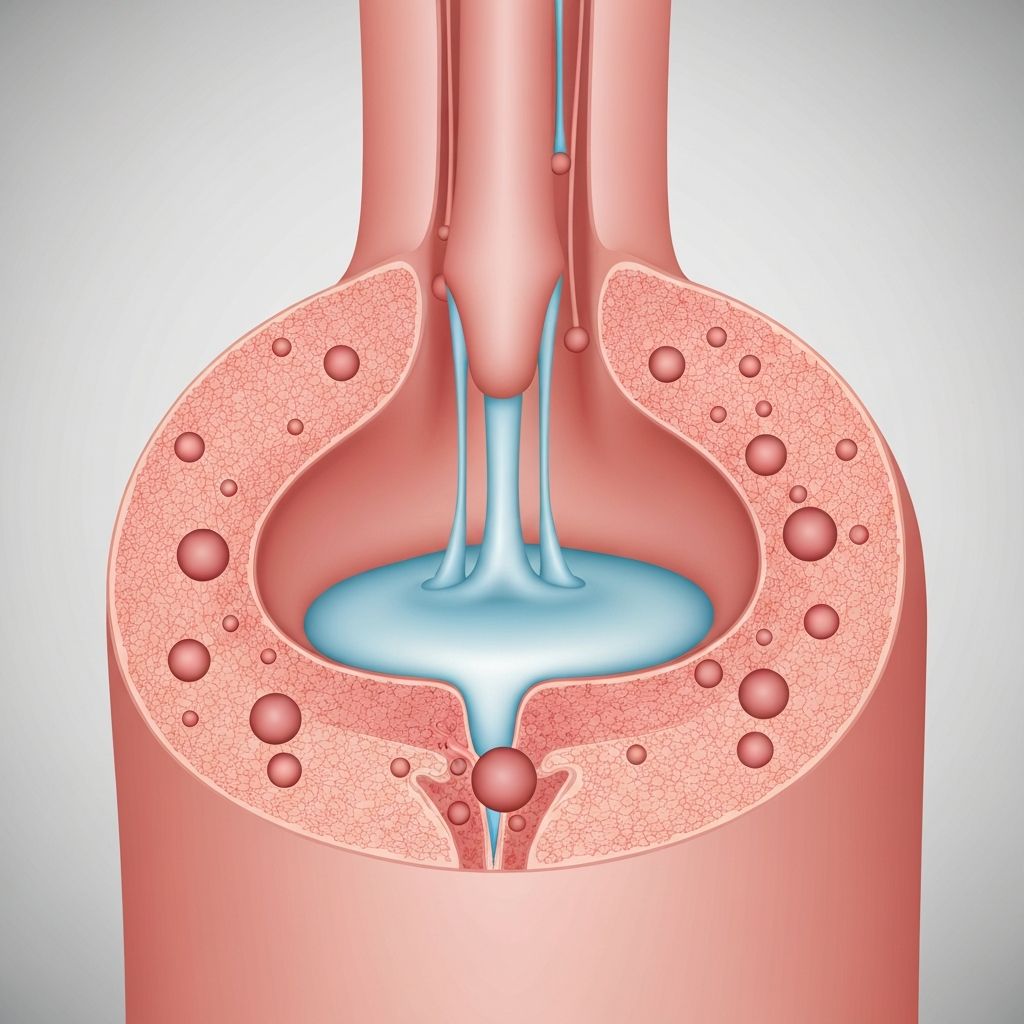
Introduction to Synovial Fluid
Synovial fluid is one of the most important yet often overlooked components of joint function. Often called "nature's best lubricant," this viscous fluid found within synovial joints serves multiple critical functions: reducing friction during movement, nourishing cartilage, absorbing shock, and maintaining joint health. Understanding synovial fluid provides insight into how joints function and what factors support optimal joint performance.
What is Synovial Fluid?
Synovial fluid is a transparent, yellowish, viscous fluid found within the cavities of synovial joints. It is produced by the synovial membrane (synovium), which lines the inner surface of the joint capsule. The composition of synovial fluid is complex, containing water, proteins, lipids, minerals, and specialized molecules that give it its unique properties.
The volume of synovial fluid in a typical joint ranges from about 0.5 to 4 milliliters, depending on the joint size and current hydration state. Though small in volume, its functions are profound and essential to joint health.
Composition of Synovial Fluid
Water: Approximately 90-95% of synovial fluid is water. This high water content contributes to the fluid's viscosity and its ability to distribute forces across joint surfaces.
Proteins: Synovial fluid contains various proteins including immunoglobulins (antibodies), complement proteins, and other defensive proteins. Additionally, it contains hyaluronic acid, a glycosaminoglycan crucial to the fluid's lubricating properties.
Hyaluronic Acid (Hyaluronate): This is perhaps the most important component for lubrication. Hyaluronic acid is a long-chain polymer that gives synovial fluid its characteristic viscosity and elasticity. It also has water-binding properties that help maintain the fluid's presence and distribution within the joint.
Proteins and Enzymes: Various proteins are present in synovial fluid, including enzymes that regulate tissue turnover and immune system components. The protease inhibitors present protect joint cartilage from enzymatic degradation.
Minerals and Electrolytes: Synovial fluid contains sodium, potassium, calcium, and other minerals in concentrations similar to blood plasma.
Lipids: Small amounts of fats are present in synovial fluid, contributing to its lubrication properties.
Functions of Synovial Fluid
Lubrication: The primary recognized function of synovial fluid is reducing friction between joint surfaces. The viscosity and elasticity provided by hyaluronic acid allow the fluid to create a protective layer between cartilage surfaces, enabling smooth movement with minimal friction.
Interestingly, synovial fluid exhibits non-Newtonian properties—it becomes more viscous (thicker) under low-speed movement and shear stress, providing better lubrication. During rapid movement, it becomes less viscous, allowing easier motion. This is an elegant adaptation that provides optimal lubrication across different movement speeds.
Cartilage Nourishment: Cartilage has no blood vessels. Instead, it depends on synovial fluid for nutrient delivery and waste removal. The movement that occurs during joint use drives fluid into cartilage (imbibition) and fluid out of cartilage (exudation), creating a pumping action that delivers nutrients and removes metabolic wastes. This is why movement is so important for cartilage health.
Shock Absorption: The fluid within the joint capsule helps absorb and distribute compressive forces during loading, protecting cartilage from excessive localized stress.
Immune Function: Synovial fluid contains immune system components that help protect the joint from infection and help manage inflammatory responses.
Joint Stability: The fluid contributes to joint stability through surface tension and fluid pressure effects that help hold joint surfaces together.
Synovial Fluid Quality and Health
The quality and quantity of synovial fluid directly influences joint function. Several factors affect synovial fluid status:
Hydration Status: Overall body hydration influences synovial fluid volume and properties. Dehydration can reduce fluid quantity and potentially affect its viscosity and lubrication properties.
Physical Activity: Movement stimulates synovial fluid production and distribution. Regular physical activity maintains synovial fluid volume and quality. Conversely, immobility leads to reduced fluid quantity and may compromise its properties.
Inflammation: Inflammatory conditions can alter synovial fluid composition, increasing certain proteins and potentially changing its viscosity and protective properties.
Age: Synovial fluid composition changes somewhat with age. The concentration of hyaluronic acid may decrease, potentially affecting the fluid's viscosity and lubricating capacity. However, the degree of change varies considerably between individuals, with activity level appearing to be a significant modifier.
Nutritional Status: The nutrients available for synovial fluid production depend on overall nutritional status. Adequate protein, vitamins (particularly C), and minerals support the synthesis of hyaluronic acid and other fluid components.
Movement and Synovial Fluid Circulation
One of the most important aspects of synovial fluid dynamics is how movement affects it. When joints move through their range of motion, the changing shape of the joint cavity creates a pumping effect. This movement drives synovial fluid through cartilage, distributing nutrients and removing wastes.
This principle explains why movement is so crucial for joint health. Without movement, synovial fluid tends to pool in the joint, creating areas where cartilage receives inadequate nourishment and lubrication. Even gentle, regular movement ensures better fluid distribution and joint nourishment.
This is why extended immobility (such as during a long flight or bed rest) often leads to joint stiffness. The lack of movement allows synovial fluid to become unevenly distributed and may temporarily alter its distribution characteristics.
Supporting Synovial Fluid Health
Since synovial fluid is so important to joint function, supporting its quality is valuable. Key factors include:
Regular Movement: This is the most important factor. Regular joint movement distributes synovial fluid and stimulates its production.
Hydration: Adequate daily water intake supports overall fluid balance, including synovial fluid volume.
Nutrition: Adequate protein, vitamin C, and minerals support the synthesis of hyaluronic acid and other fluid components.
Avoiding Prolonged Immobility: Regular activity breaks, avoiding long periods of immobility, and gentle movement support synovial fluid distribution.
Conclusion
Synovial fluid represents an elegant solution to the challenge of maintaining joint surfaces that can move freely with minimal friction while simultaneously maintaining cartilage health through nutrient delivery. Its quality and distribution depend significantly on movement and hydration status. Understanding synovial fluid illuminates the importance of consistent movement as fundamental to joint health and explains why seemingly simple activities—taking regular breaks to move around, staying well-hydrated, and maintaining physical activity—have profound effects on joint function and longevity.